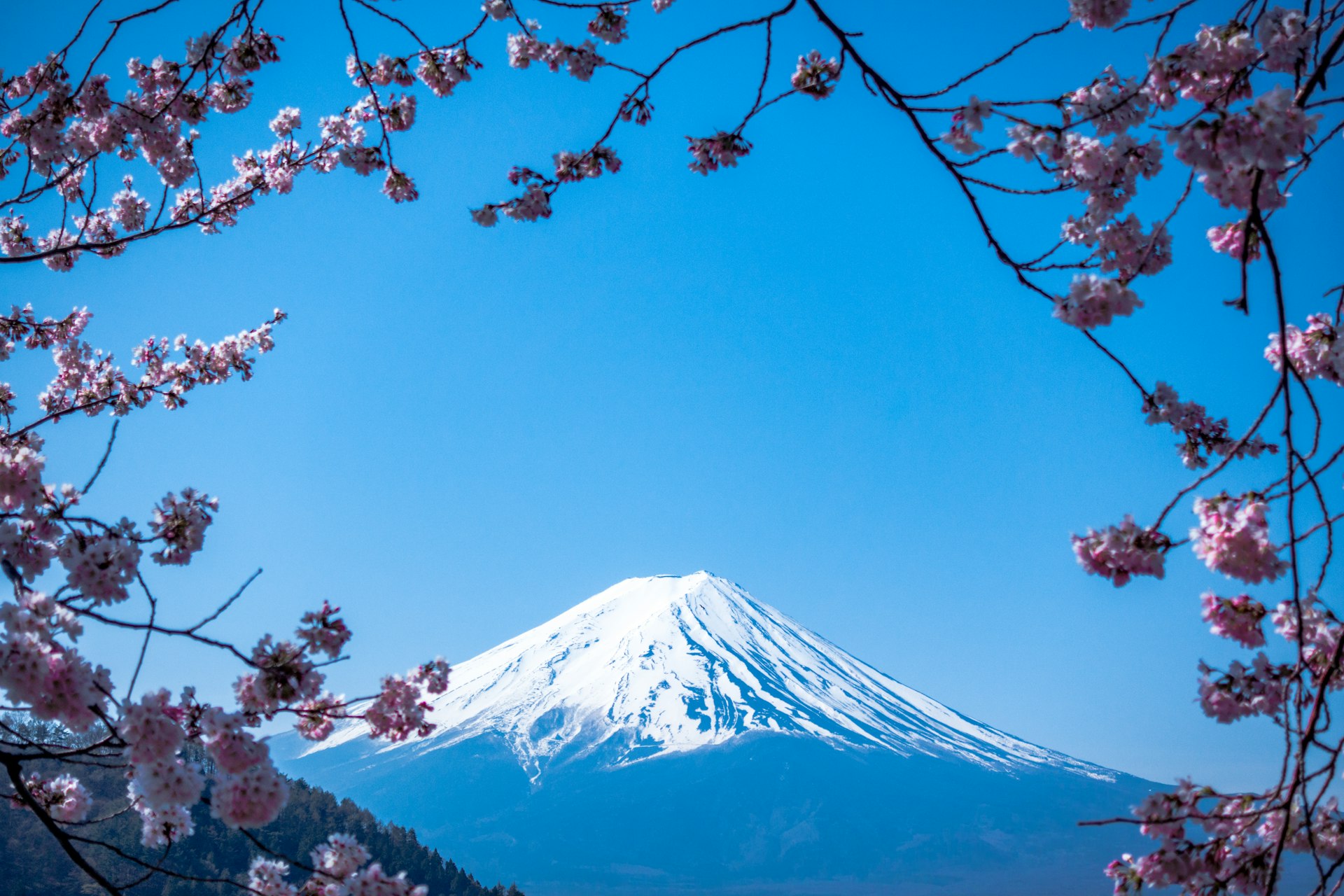
Best Time to Visit Japan — Cherry Blossom, Foliage and Quiet Alternatives
When to visit Japan: cherry blossom and foliage windows, quieter months with better rates, and the best timing by traveller type.
When to visit Japan: cherry blossom and foliage windows, quieter months with better rates, and the best timing by traveller type.
Quick answer
Late March to early April (cherry blossom) and November (autumn foliage) are Japan at its most beautiful — and its busiest. If you want the weather without the crowds, late May and October are the connoisseur's choice: comfortable, green-to-golden, and priced well below peak.
Blossom season books out months ahead and carries the year's steepest premiums; foliage season runs it close. Both are worth it once — but Japan's shoulder months deliver nearly the same visual drama with calmer streets and kinder hotel rates. Late May has fresh green maples and clear skies; October combines warmth with the first hints of colour in the north.
Japanese travel patterns matter more than weather for crowd planning. Golden Week in early May and the Obon week in mid-August send the whole country on the move — trains sell out and hotels triple their rates. Check your dates against these two windows before booking anything else.
Winter is cold but crisp, with the year's clearest Fuji views and the lowest hotel rates — an underrated choice if you dress for it. June's rainy season sounds worse than it is: showers come and go, hydrangeas bloom everywhere, and prices dip. Neither is a mistake; both are trades.
Late March to early April (cherry blossom) and November (autumn foliage) are Japan's most beautiful windows — and its busiest. For comfortable weather with fewer crowds, aim for late May or October. Summer is hot, humid and typhoon-prone; winter is cold but clear, with superb skiing.
Best months
March, April, October, November
Shoulder months
May, June, September
Golden Week (Apr 29–May 5) and Obon (mid-August) see domestic travel surges — avoid those weeks. Late May and October offer good weather with manageable crowds at theme parks.
Cherry-blossom season (late March–early April) is worth the premium if booked 4–6 months ahead; November foliage is equally beautiful and slightly quieter.
June and February are Japan's cheapest months — June is pre-summer rainy season (pack an umbrella), February is cold but crisp and clear.
October is the sweet spot: stable weather, autumn colours starting, and hotel rates below the blossom-season peak.
Tell us when you want to go and we'll handle the rest — flights, stays and a day-wise plan.
Everything you need to know before you go


Can't find the answer you're looking for? Please chat to our friendly team.