Réunion Island: The Indian Ocean Gem No One Talks About
A French island in the Indian Ocean with a volcano that erupts every nine months, three UNESCO-listed cirques, and an easier way in for Indian passport holders than you'd expect.

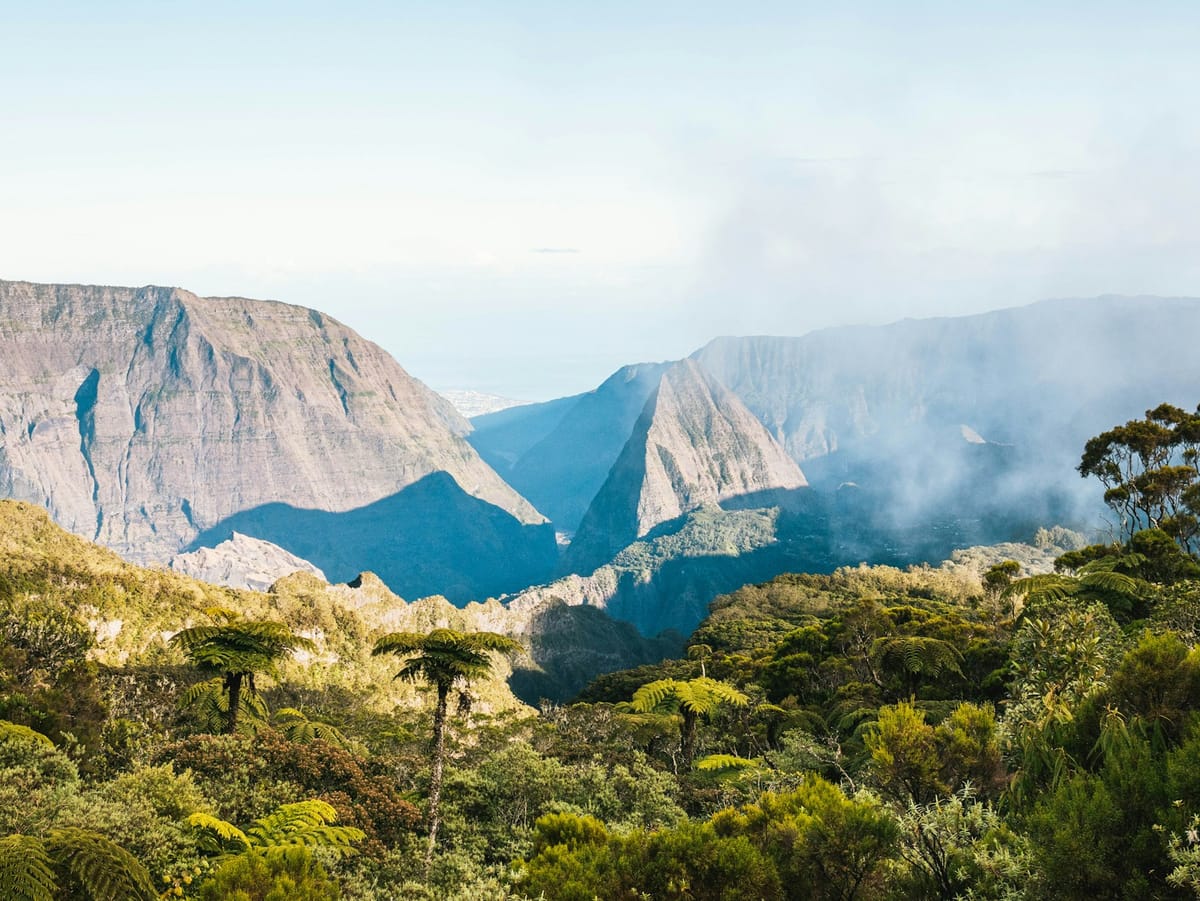
Picture a morning in the mountains, the kind where you stand at a rim and the whole valley lies below you in layers: ferns in the foreground, ridges in the middle, a wall of rock catching the first light. Now add a coast of warm lagoon water an hour's drive away, a market selling vanilla and rum, and a volcano that wakes up roughly every nine months.
That is Réunion Island. It is French, it is in the Indian Ocean, and it is a short flight from Mauritius. Most of the Indian travellers we speak to have never considered it. We think that is about to change, for a reason worth explaining plainly: for Indian passport holders, getting in is simpler than you would expect.
Why Réunion is a hidden gem
Most island holidays ask you to choose: beach or adventure, culture or quiet. Réunion doesn't make you choose.
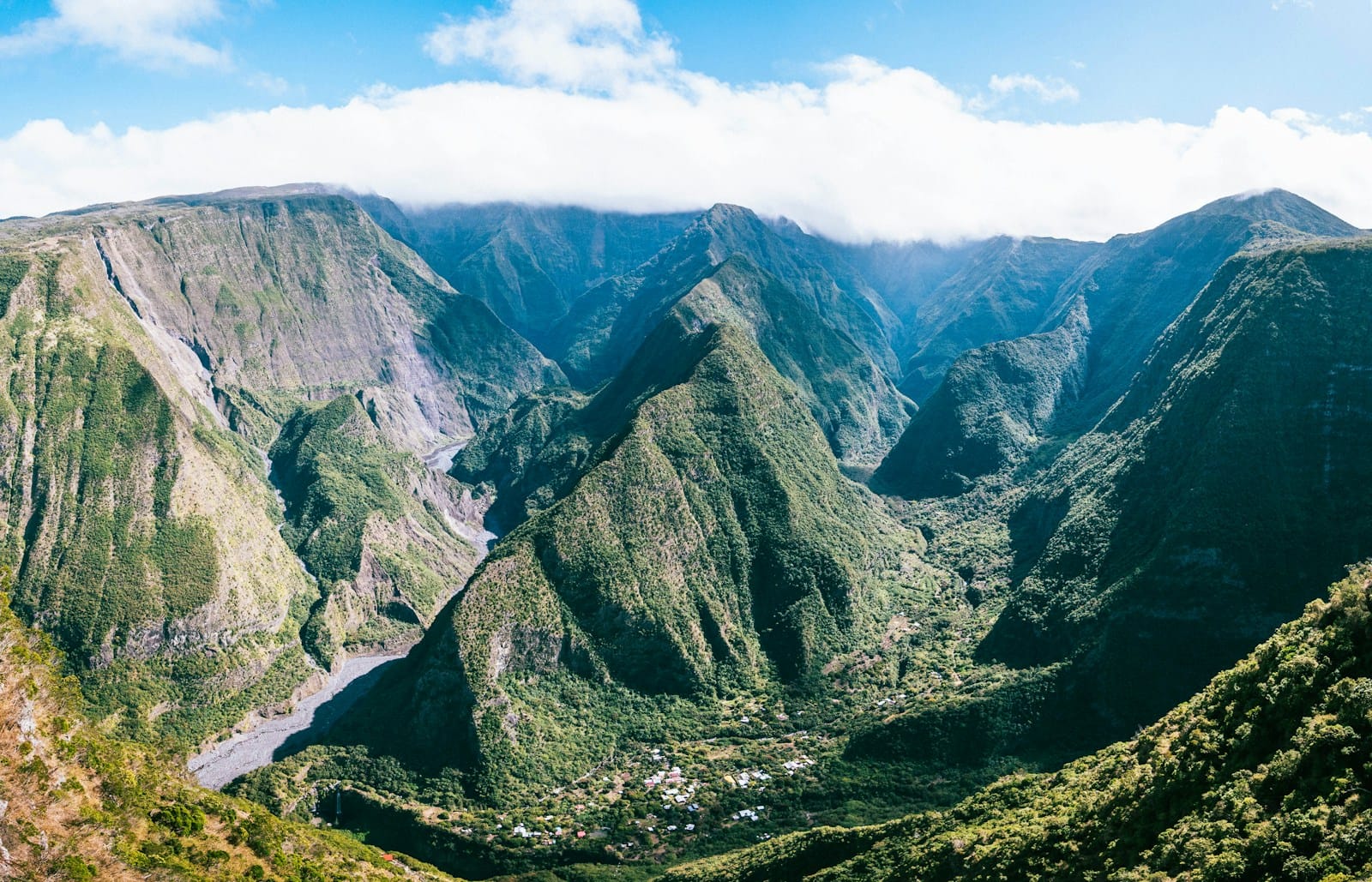
The heart of the island is a UNESCO World Heritage landscape, listed in 2010 as the Pitons, cirques and remparts of Reunion Island. It covers more than 40 percent of the island. A cirque is a vast natural amphitheatre carved into the mountains, and Réunion has three of them: Mafate, Cilaos and Salazie. Mafate has no roads at all. You reach it on foot, or by helicopter.
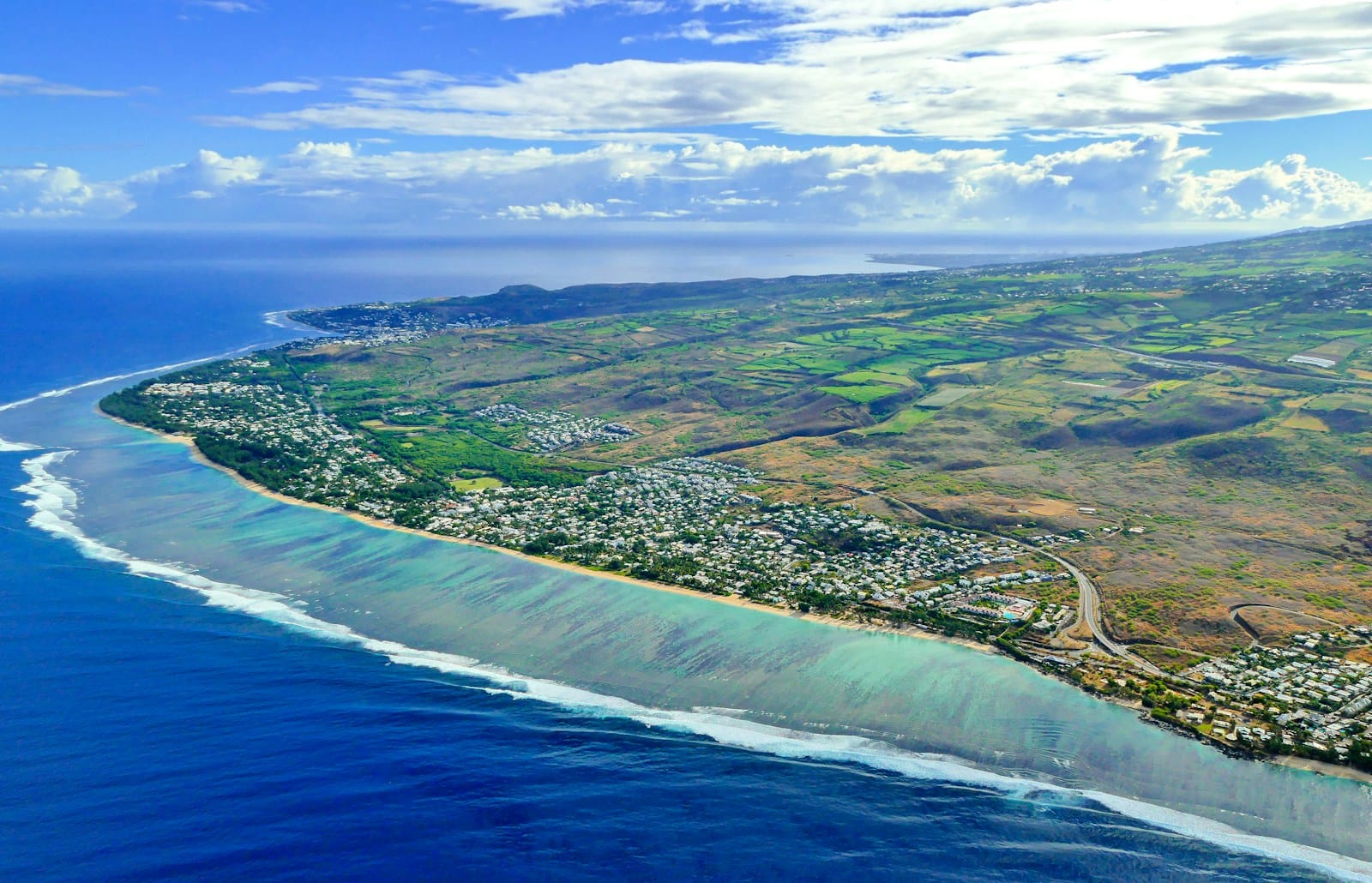
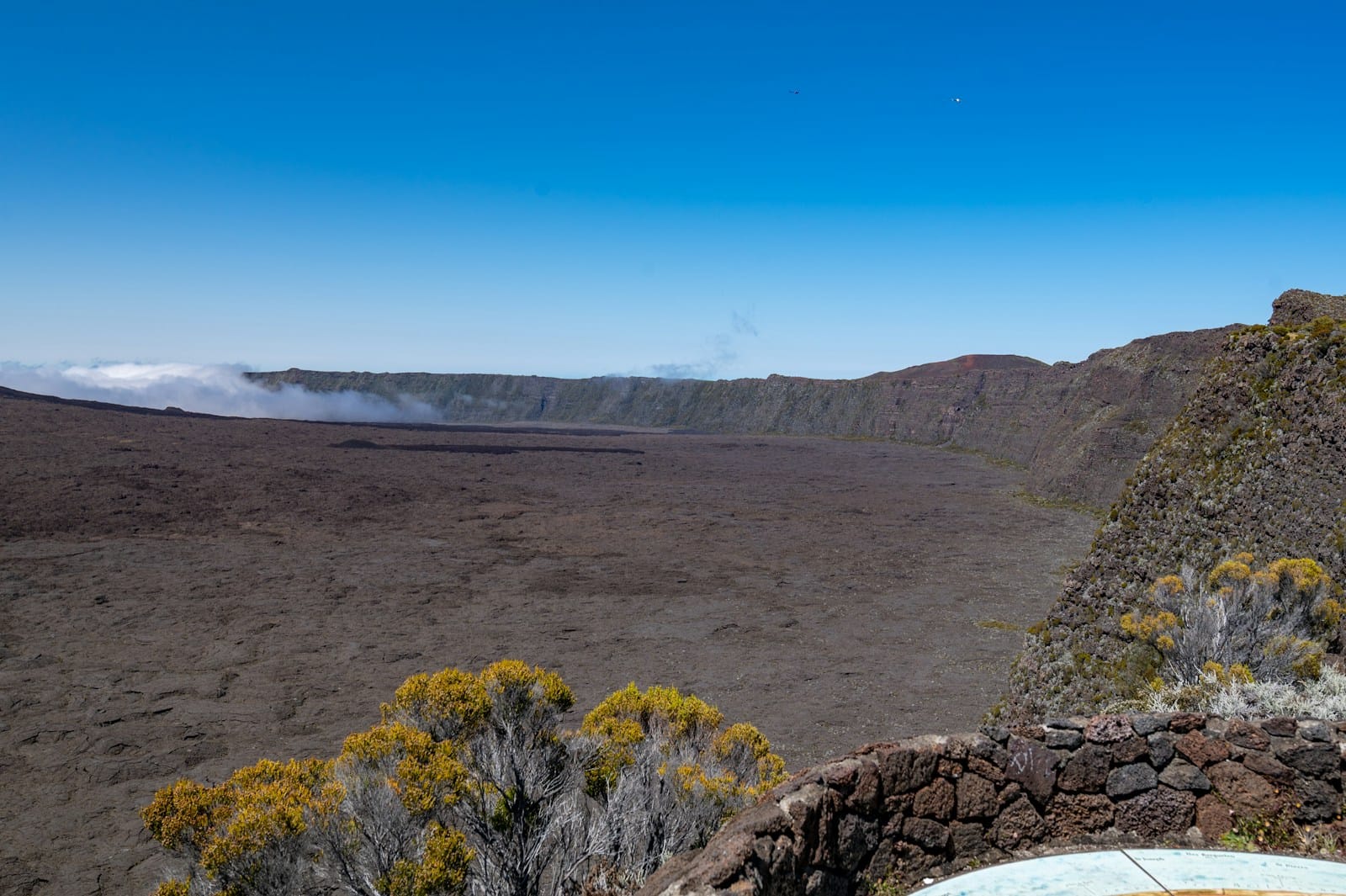
On the south-east side, Piton de la Fournaise is one of the most active and most accessible volcanoes in the world, erupting about every nine months on average. On the west coast, the Saint-Gilles lagoon is calm, shallow and good for swimming, snorkelling and kayaking. Between them is Creole Réunion: curries and rougails, spiced rum, markets, small villages, and a French way of doing lunch.
It is also a place where the infrastructure is excellent. Roads are good, standards are French, and the island is small enough that you can sleep in the mountains one night and by the sea the next.
How entry actually works for Indian passport holders
This is the part people get wrong, so we'll be precise. Indian nationals do not need a visa for stays of up to 15 days. But the waiver is not automatic. It is arranged for you, in advance, by a licensed travel agency on the island. According to Réunion's official tourism site, you have two routes:
- Through an agency in India that offers Réunion as a destination. It arranges your flights and stay, and works with an incoming agency on Réunion that holds the licence to request the waiver.
- Directly through an incoming agency on Réunion.
A few details matter:
- Timing. The application must reach the agency at least 10 days before arrival, and no applications are processed after that. The Indian consulate in Saint-Denis suggests allowing two to three weeks, which is the safer plan.
- Online bookings are not accepted. Reservations made on Booking.com, Airbnb and similar sites do not count for this process.
- The border still has the final say. Even with the waiver in place, the border police can refuse entry. Carry your return ticket, your accommodation details and a passport with generous validity (we advise at least six months beyond your stay).
- Length of stay. The waiver covers up to 15 days at a time, with a maximum of 90 days in any six-month period. Longer stays need a French visa from a consulate or embassy.
- A Schengen visa for mainland France is not valid for Réunion, because the island sits outside the Schengen Area.
Rules like these change, so confirm them before you book. The official Réunion tourism page and the Consulate General of India in Saint-Denis are the sources to trust. This is one of those places where having someone handle the paperwork is a real advantage, and it is exactly what we do for the trips we plan.
Getting there
The simplest option is new. IndiGo started direct flights from Chennai to Réunion in April 2026, currently twice a week. If you are flying from elsewhere in India, the usual route is Air Mauritius via Mauritius, with services from Delhi, Mumbai and Chennai. Schedules are still settling, so check current timings before fixing dates, and build your trip around the flight days.
Because the waiver covers 15 days, a week to ten days on Réunion is the natural shape of the trip. If you want to pair it with Mauritius, the official guidance allows a short hop across and back, provided the second stay is also arranged through an agency. We would plan that deliberately rather than improvise it.
When to go
The dry season, from roughly May to October, is the best window. The air is cooler, the skies are clearer and the cirque trails are at their best. The cyclone season runs through January to March, so it is worth avoiding.
If you are travelling with children, school holidays in June and July fall right inside the sweet spot. That is also when humpback whales pass the west coast, with the best sightings from about July to October.
For families: an island that is easy and still feels like an adventure
Réunion works well for families because the adventure comes in sizes. You do not need a toddler to climb a volcano, and you do not need to skip the volcano either.
Base yourself in Saint-Gilles
The Saint-Gilles lagoon on the west coast is the natural family base. The water is calm and shallow, and snorkelling near the coral brings small, colourful fish and, with luck, a sea turtle. Guided kayak trips leave from La Saline-les-Bains, with some operators taking children from around five years old as long as they can swim. The Réunion Aquarium in Saint-Gilles-les-Bains is a reliable favourite with younger children.
Gentle days in the mountains
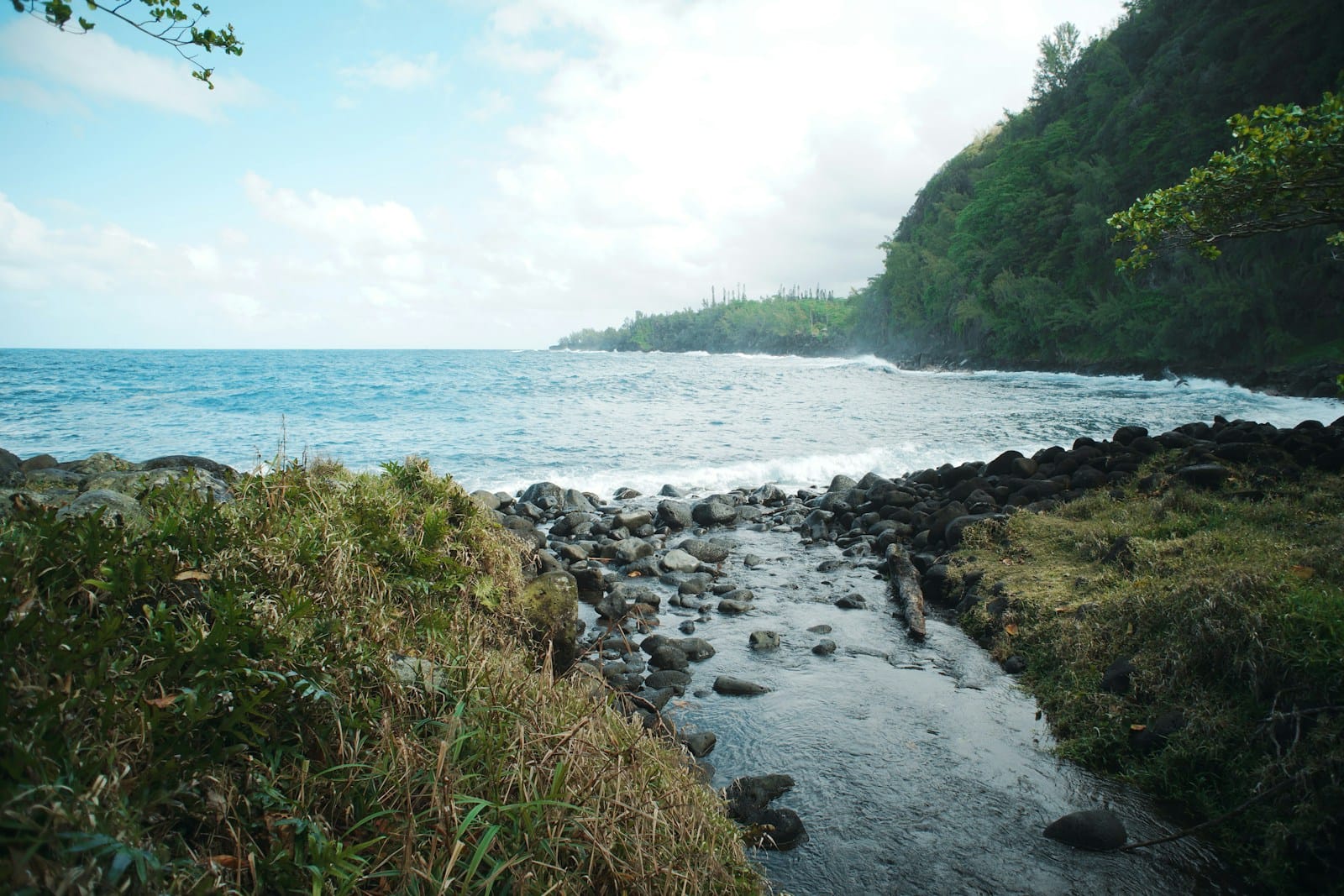
Cilaos, one of the three cirques, is known for its hot springs and its walking trails, and the viewpoints reward even short, easy walks. On the south coast, Cap Méchant has maintained paths and dramatic black volcanic rock; sturdy footwear is a good idea. Plan these as half-day outings, with a long lunch built in.
A volcano day that works for everyone
The landscape around Piton de la Fournaise is the kind of thing children remember: black lava fields, a lunar plain and a sense of standing on a living planet. Conditions depend entirely on volcanic activity and weather, so we always check the official status the day before and keep a Plan B.
A practical note for families: the mountain roads are steep and winding, and a rental car is the easiest way around. Allow generous driving times, break the journey into shorter stretches, and check the driving licence requirements with the rental company when you book.
For repeat and luxury travellers: a French island with real polish
If you have already done Mauritius, the Maldives and the Seychelles, Réunion offers something those islands do not: depth. It is less about a single resort and more about a rhythm of days that feels like a well-planned journey.
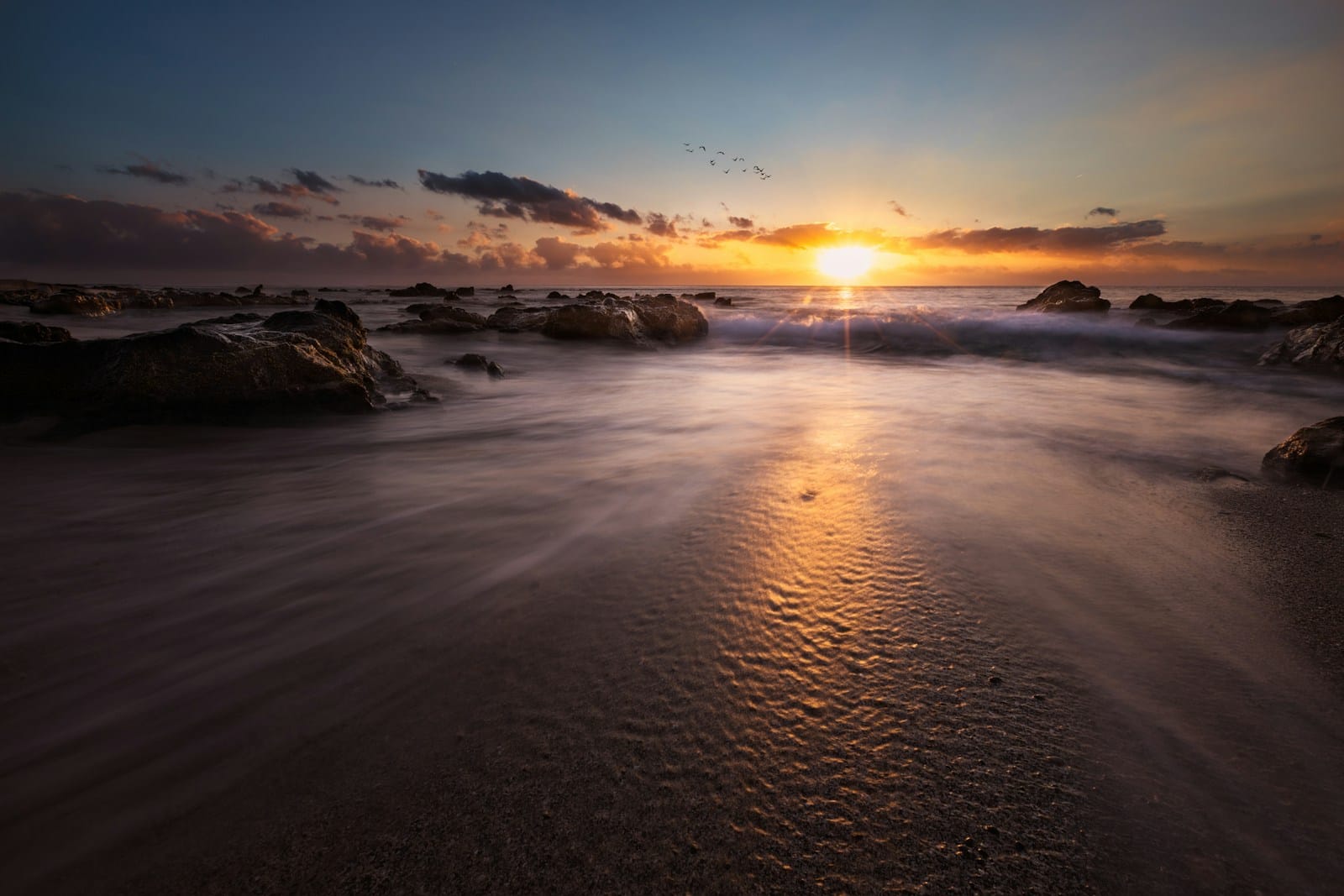
The west coast has the island's most refined stays. The LUX* Saint Gilles sits right on the lagoon at L'Hermitage, with Creole-style villas set in gardens and direct beach access, and it is often described as the island's only five-star resort. For something smaller, the Saint-Leu area has boutique options such as Blue Margouillat, with only 14 rooms and a quieter, more personal feel.
From there, the experiences are the point:
- A helicopter flight over the cirques and, if conditions allow, the volcano. It is the most efficient way to understand how dramatic the landscape is, and it reaches Mafate without the walk.
- Whale watching off the west coast between roughly July and October, from the water or from the shore.
- Long Creole lunches in the hills, rum tastings and market mornings, which are a good use of the slower days in between.
We would build this as a loop: two nights in the mountains for the views and the quiet, then the rest of the trip by the lagoon, with a helicopter day timed for the clearest weather.
For adventure couples: trails, canyons and big skies
This is where Réunion becomes serious. It is a hiker's island, and the cirques are the reason.
- Piton des Neiges is the highest point in the Indian Ocean. The summit is usually done as a two-day trek, and the dry season, May to October, is the time to plan it.
- Mafate is walked, not driven. Many routes start from the Maïdo viewpoint, a balcony over the cirque, and you can link villages on foot.
- Piton de la Fournaise can be hiked as a guided day trip across the lava landscape to the crater area, when conditions allow.
- Canyoning is a speciality, with routes in the Langevin River near Saint-Joseph, in Cilaos, and gentler options near Sainte-Suzanne.
- Paragliding flights launch from places like Maïdo and Cilaos, with views over the cirques, and tandem flights are also offered over the lagoon at Saint-Leu.
We recommend booking local guides for the longer hikes and the volcano. They know the conditions, they check access and weather, and they are the difference between a good day and a great one. We have not confirmed permit requirements for every trail, so this is another reason to plan with a local operator.
How we would shape it
Seven days: the essentials
- Days 1 to 2: arrive and settle in Saint-Gilles. Lagoon, market, an easy evening.
- Days 3 to 4: drive inland to Cilaos. Hot springs, viewpoints and a short walk or canyon.
- Day 5: the volcano, with a guide, on a clear day.
- Days 6 to 7: back to the coast for kayaking or whale watching, a final Creole lunch and the flight home.
Ten days: the full island
Add Salazie for waterfalls and greener scenery, a Mafate hike from Maïdo, and a helicopter day. If you are keen on the Piton des Neiges summit, add two nights for it. That still sits comfortably inside the 15-day waiver, and leaves room for a slower pace, which is the point.
What to budget
Réunion is French, so costs follow European levels. Published estimates for 2026 vary widely, so treat these as rough guides: a rental car runs from about €25 to €75 a day depending on season and size, local restaurant meals about €10 to €20, mountain gîtes from around €40 to €60 a night with meals, and mid-range hotels higher. Many guides put a comfortable day at around €110 to €170 per person, including the car. A helicopter flight over the volcano is listed from around €180 to €250.
The honest summary: it is not a budget island, and it does not try to be. What you get for it is space, safety and landscapes that few places match.
Before you go
- Start the entry process at least two to three weeks before travel, through a licensed agency.
- Carry printed bookings for your accommodation and onward flight. Online reservation pages are not enough for the waiver.
- Pack for two climates: sun cream for the coast, layers for the mountains, and proper shoes for the trails.
- Check volcano and trail conditions the day before any big outing, and keep a flexible day in the plan.
- Confirm current rules on the official tourism site and the Indian consulate before booking.
The quiet case for Réunion
The islands everyone already knows are lovely, and they will always be there. Réunion is different in a way that is hard to describe until you are standing at one of those rims, looking down at a valley that has no road into it. It rewards curiosity, it suits a family as well as it suits a couple, and it is easier to reach than its reputation suggests.
If you would like to see it for yourself, we would be glad to plan it around you: the right season, the right base, the right guides, and the paperwork done well before you fly. We handle the details. You create the memories.