Best Time to Visit Singapore — Month-by-Month for Every Traveller
When to visit Singapore: the driest months, how crowds and prices shift through the year, and the best timing for families, couples and first-time visitors.
When to visit Singapore: the driest months, how crowds and prices shift through the year, and the best timing for families, couples and first-time visitors.
Quick answer
Singapore is genuinely a year-round city — it is warm and humid every month, and rain, when it comes, is usually a brief afternoon shower rather than a washout. February to April tends to be the driest stretch; November to January sees the heaviest rain but also thinner crowds outside the year-end holidays.
The usual 'best season' logic doesn't really apply here. There is no cool season to wait for and no monsoon that closes anything down — attractions, malls and the MRT run identically twelve months a year. The practical question is comfort: showers pass quickly, and almost everything worth doing has an indoor alternative within a few minutes' walk.
Prices track Indian and regional school calendars more than Singapore's own weather. June and December bring family crowds and higher airfares from India; the shoulder months either side offer nearly identical weather with noticeably easier hotel rates. Chinese New Year and the September Formula One weekend are the two local spikes worth checking against your dates.
Pick February to April for the driest, most comfortable walking weather, and plan one flexible indoor afternoon regardless of month. If your dates are locked to school holidays, book attractions and hotels well ahead rather than hoping for last-minute deals — those weeks reward early planners.
Singapore is a year-round destination — it is hot and humid every month, with brief afternoon showers common at any time. February to April tends to be the driest stretch; November to January sees the heaviest rainfall but also fewer crowds outside the holidays.
Best months
February, March, April
Shoulder months
May, June, July
June and December school breaks bring crowds and higher prices — if your dates are fixed, book attractions and hotels 2–3 months ahead. Late May or late November edges avoid peak pricing.
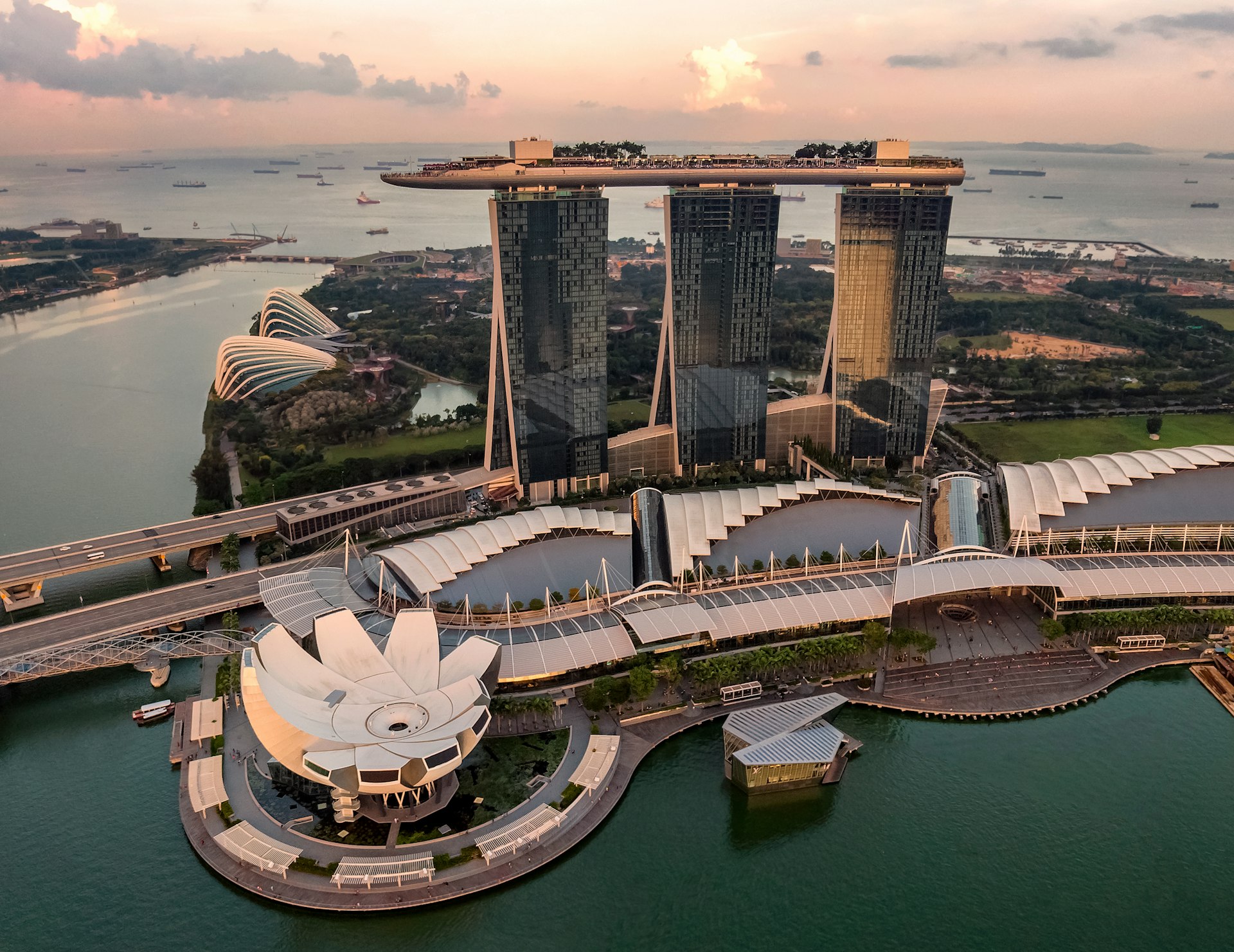
February to April offers the driest weather and comfortable evenings along Marina Bay — ideal for rooftop bars and night walks.
August to October (excluding the F1 week in September) sees lower hotel rates; watch the Great Singapore Sale in July–August for shopping value.
Any month works — plan indoor backups (conservatories, museums, malls) for afternoon showers regardless of season.
Tell us when you want to go and we'll handle the rest — flights, stays and a day-wise plan.
Everything you need to know before you go


Can't find the answer you're looking for? Please chat to our friendly team.