
“Mummy, I want to stay forever in Japan.” When these words came from my eldest daughter on our last day in Osaka, I realized something profound had happened to all of us. This wasn’t just a vacation – it was a complete transformation of how we see the world, what we value, and what’s possible when a country gets everything right.
I’ll be honest with you. Before Japan, I was convinced that Europe was the epitome of everything – culture, sophistication, travel experiences. I had mentally placed European destinations on this unreachable pedestal. Japan wasn’t even in my top five dream destinations. How wrong I was. How beautifully, wonderfully wrong.
This is the story of how 14 days in Japan didn’t just give me memories – it gave me a new lens through which I see everything. And if you’re reading this, dreaming about Japan but unsure if it’s for you, I promise you’ll see why this journey might be exactly what you need too.
Dreaming of your own Japan transformation? Plan with GoTixi Follow @GoTixi WhatsApp Us
The Journey That Almost Didn’t Happen
Like many of you reading this, I had concerns. Japan seemed expensive, foreign, and honestly, a bit intimidating. The language barrier worried me. How would we navigate? What would we eat? Could we really afford it with two kids in tow?
Then I found an incredible deal – open jaw flights from Delhi to Tokyo and back from Osaka with ANA for just ₹36,000 per person round trip. That deal felt like the universe nudging me forward. Still, doubts lingered.
My husband and I sat down one evening, looked at our two daughters – one just turned 8, the other a toddler of 1.5 years and made a decision that would change everything. We would go to Japan. Not “someday” – but this year. We’d make it work, even with a toddler in tow.
💭 A Personal Reflection
“Looking back now, I realize that moment of decision – choosing to step beyond our comfort zone despite all the uncertainties – was when the transformation actually began. Japan didn’t change me. The courage to go to Japan changed me.”
Shattering the “Japan is Expensive” Myth

Let me address the elephant in the room: “Japan is too expensive.” I heard this from everyone. Friends, family, travel forums – everyone seemed convinced Japan would bankrupt us.
Here’s the truth: Our 14-day trip for four people – two adults and two kids – cost approximately ₹4-4.5 lakhs total. This included flights, decent centrally-located hotels next to train stations, all our meals, unlimited travel on Japan’s incredible public transport, entrance fees, shopping, and everything in between.
Compare that to what a family of four would spend on a European vacation, or even a luxury domestic trip to popular Indian destinations. Japan isn’t expensive – it’s exceptional value when you know how to travel smart.
💰 Our Actual Japan Budget Breakdown (Family of 4, 14 Days)
- Flights (ANA Open Jaw): ₹1,06,000 (₹36K per person)
- Visa Fees (Gurgaon Center): ₹5,000 (₹1,250 per person)
- Accommodation (13 nights): ₹1,30,000 (centrally located, near stations)
- IC Cards & Local Transport: ₹40,000 (ICOCA/Suica for all trains & buses)
- Food (convenience stores + restaurants): ₹70,000
- Attractions & Activities: ₹40,000
- Shopping (Uniqlo, Don Quijote, souvenirs): ₹50,000
- Miscellaneous: ₹20,000
- Total: ₹4,56,000 to ₹5,49,000
The Convenience Store Revolution
Here’s something that blew my mind: Japanese convenience stores (7-Eleven, Family Mart, Lawson) are open 24/7 and serve food that’s fresher, tastier, and healthier than most restaurants back home. We got into the habit of picking up breakfast from these stores every morning – fresh onigiri, sandwiches, fruit, coffee – spending maybe ₹500-700 for our entire family.
These weren’t just convenient, they were genuinely good. My eldest developed favorite items. We’d try new things daily. Even finding suitable options for our toddler was easy – Japanese convenience stores stock fresh fruits, yogurt, and simple foods perfect for little ones.
The Golden Itinerary: Tokyo → Mt. Fuji → Kyoto → Nara → Osaka

Our itinerary was carefully planned to give us diverse experiences while being manageable with a toddler – from Tokyo’s electric modernity to Kyoto’s ancient temples, from Mt. Fuji’s natural majesty to Nara’s friendly deer and Osaka’s culinary delights. Each city revealed a different facet of Japan, yet all shared that unmistakable Japanese essence of excellence, order, and kindness.
Tokyo (5 Nights)
Five nights in Tokyo felt like just scratching the surface – we could have easily stayed longer. We explored Shibuya’s famous crossing, felt reverence at Senso-ji Temple, experienced pop culture in Harajuku, and watched the city sparkle from Tokyo Skytower. Every moment felt like stepping into a perfectly orchestrated symphony. Looking back, we wish we’d allocated at least 6-7 nights to truly absorb Tokyo’s energy without rushing.
Mt. Fuji – Lake Kawaguchiko (2 Nights)
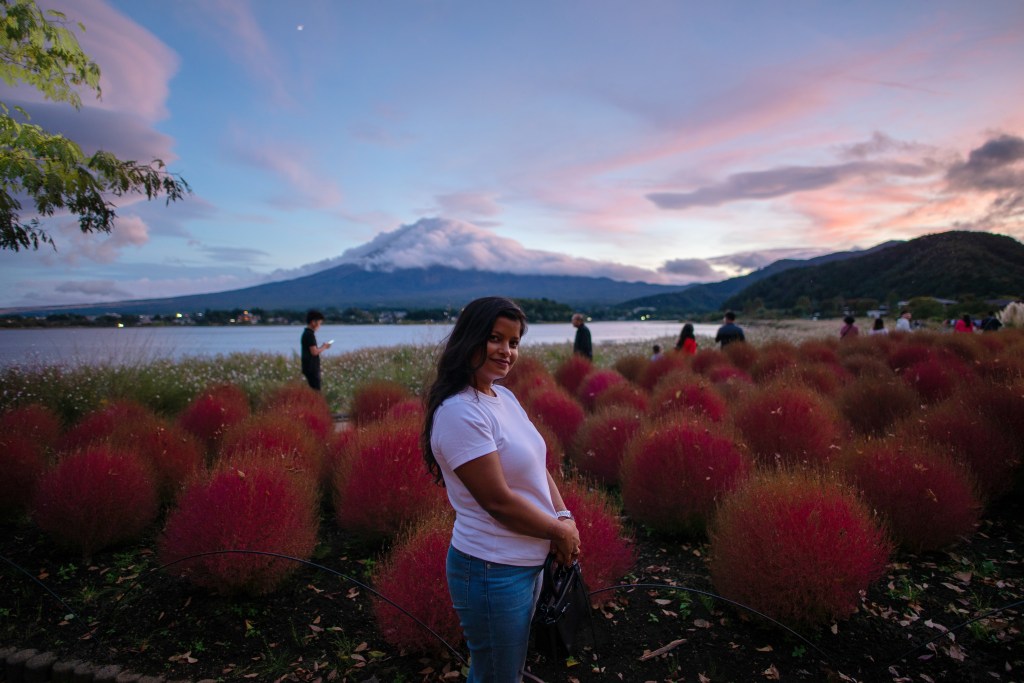
Instead of a rushed day trip, we stayed two nights on the Lake Kawaguchiko side of Mt. Fuji. This decision was perfect – watching the mountain at sunrise, seeing it reflect in the lake, experiencing the peaceful ryokan atmosphere. Seeing Mt. Fuji in person is something photographs simply cannot capture. That perfect cone rising into clear blue sky – it’s breathtaking in the truest sense. We took our time, relaxed, and let the majesty of Fuji-san sink in properly.
Kyoto (3 Nights)
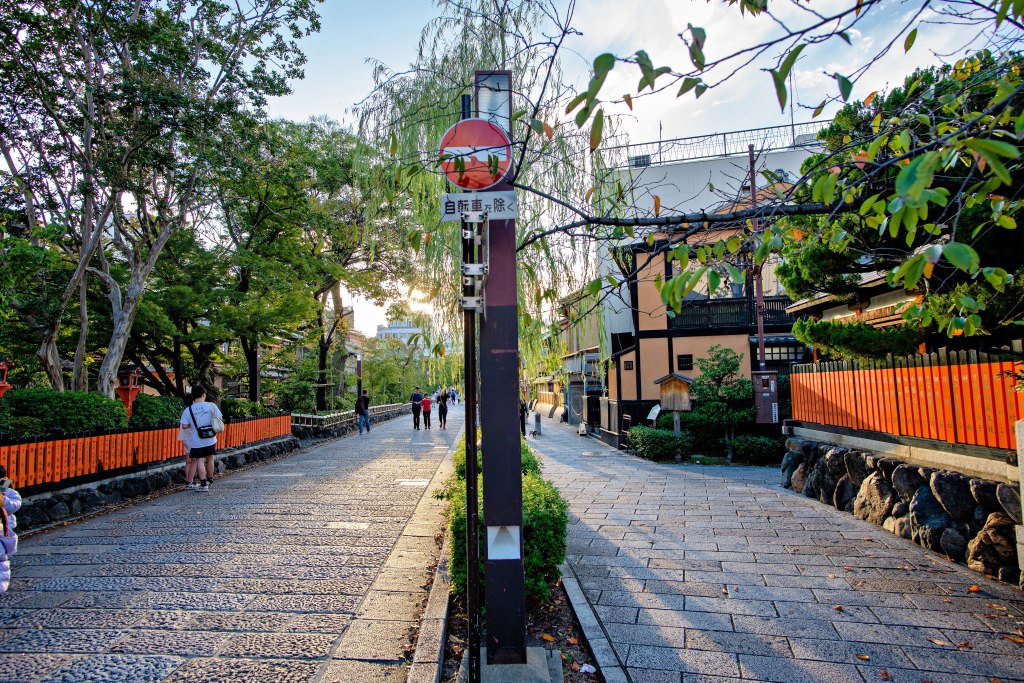
If Tokyo is Japan’s present, Kyoto is its soul. Walking through Fushimi Inari’s thousands of torii gates (even with a toddler in a carrier!), experiencing the golden splendor of Kinkaku-ji, wandering Arashiyama’s bamboo groves – Kyoto taught us that beauty and spirituality can coexist with everyday life. Three nights gave us time to explore without exhausting ourselves.
Nara (Day Trip from Kyoto)
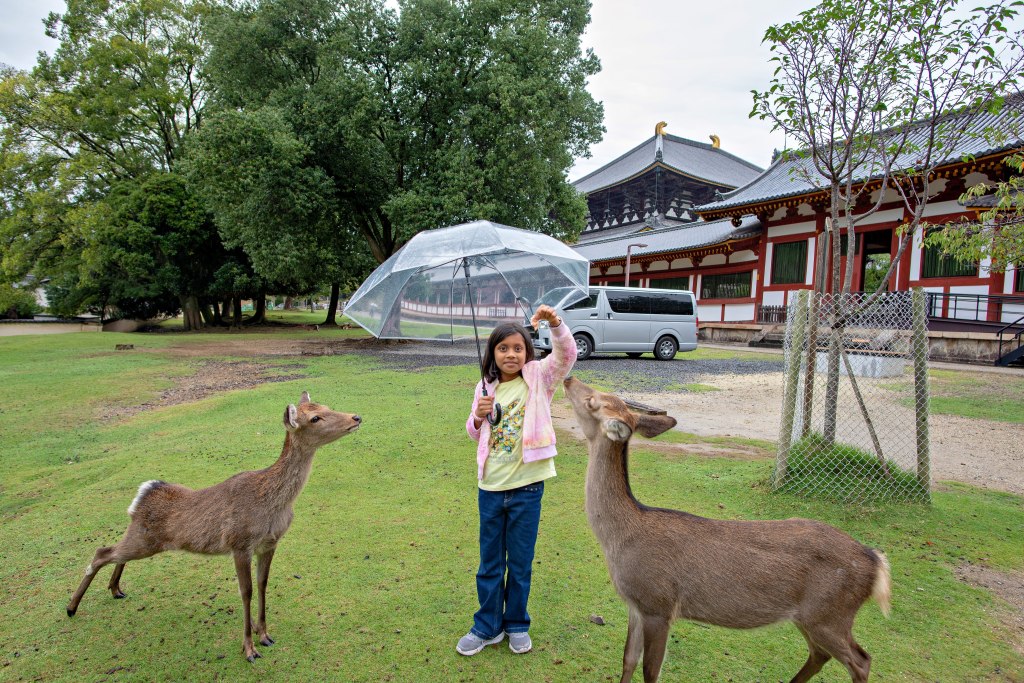
Feeding deer in Nara Park while ancient temples watched over us – it felt magical. The deer bow for crackers! My eldest was enchanted, and even our toddler giggled watching the friendly deer. These moments of simple joy mixed with profound history created memories we’ll treasure forever.
Osaka (4 Nights)
Our finale in Osaka was pure fun – Dotonbori’s neon lights, incredible street food, and that vibrant energy that makes you want to explore every corner. With young kids, we skipped the party scene and focused on family-friendly experiences. Osaka showed us Japanese hospitality at its warmest and most welcoming. Four nights was perfect to unwind before our flight home.
🗺️ Planning Your Perfect Japan Itinerary
The beauty of our itinerary was how each destination flowed logically – no backtracking, optimal night allocation based on what each city offers, accommodation always near train stations. GoTixi specializes in creating these smart, efficient Japan itineraries that maximize experiences while being realistic for families with young children. Let us plan your perfect route
The Honesty That Restored My Faith in Humanity

When I was young the same age as my eldest now – I read in my school textbook that Japan is an honest country. I remember thinking how wonderful that sounded, but also how impossible. How could an entire country be honest?
On day 7 of our trip, rushing between trains in Tokyo, I left my jacket on the seat. It was a gift from my mother – irreplaceable in sentimental value. I didn’t realize until we reached our hotel three hours later. My heart sank.
My husband suggested we try the train station’s lost and found. I had zero hope. In our experience, lost items stay lost. But we went anyway, more for closure than expectation.
The staff at the station booth didn’t just have my jacket – they had documented when it was found, which train, which car, which seat. They asked me to describe it to verify ownership. When I correctly described the jacket, they smiled, handed it over, and bowed. They seemed genuinely happy to reunite me with my belonging.
“In that moment, holding my mother’s gift with tears in my eyes, I understood: my childhood textbook wasn’t describing a fairy tale. Japan really is different. Integrity isn’t just valued—it’s lived, breathed, and passed down through generations.”
That experience changed something fundamental in me. It proved that societies can function on trust. That honesty can be the default, not the exception. That a better world isn’t just possible- it exists, and I was standing in it.
The Warmth That Transcends Language
Before going to Japan, the language barrier was my biggest worry. I don’t speak Japanese. My family doesn’t speak Japanese. How would we navigate? How would we order food? What if we got lost?
Here’s what I learned: language is just words. Kindness is universal.
Every single time we looked even slightly confused, someone would approach to help. Not with impatience or frustration, but with genuine care. They’d pull out their phones to use translation apps. Draw maps on paper. Walk with us to our destination even if it was out of their way.
In Kyoto, an elderly woman saw us struggling with a ticket machine while managing our toddler. She didn’t speak English. We didn’t speak Japanese. But she spent ten minutes helping us, demonstrating each step, waiting patiently as we fumbled with a stroller and tickets. When we finally succeeded, she clapped her hands in celebration with us.
❤️ A Truth I Discovered
“Japan taught me that warmth doesn’t need a common language. A smile is a smile. Help is help. Kindness is kindness. The people I met didn’t speak my language, but they spoke to my soul. And they showed my daughters – even my toddler who won’t remember but absorbed it all—what good humans look like.”
The Public Transport That Set a New Standard

I need to talk about Japanese public transport because it fundamentally changed my expectations of what’s possible in urban infrastructure.
The trains run on time. Not “roughly on time” or “usually on time.” On. Time. To. The. Second. If the board says 10:07, the train arrives at 10:07. This precision happened every single time across 14 days. It’s not luck – it’s a commitment to excellence.
Everything is clean. I mean spotless. No trash. No unpleasant smells. The train seats look new even though thousands of people use them daily. How? Because people respect public spaces. They take trash home. They queue properly. They whisper instead of shout.
With IC cards like ICOCA, Suica, or Pasmo, we traveled freely throughout Japan -bullet trains, local trains, subways, and even buses. Just tap and go. These rechargeable cards work across almost all of Japan’s transport networks, making travel seamless. Our eldest could navigate the system by day three. If a child can master Tokyo’s train system, that tells you everything about how well-designed it is.
The Efficiency That Saves Money
Here’s a practical benefit: efficient transport means you spend less on accommodation. We stayed in business hotels near stations not fancy, but perfectly clean, comfortable, and convenient. Because trains made everything accessible, we didn’t need expensive hotels in touristy areas. We saved thousands of rupees while gaining authentic local experiences.
🚄 Smart Transport Strategy
Many travelers buy expensive JR Rail Passes thinking they’re essential, but here’s the reality: JR Pass doesn’t cover all train routes, especially when you switch between different railway companies in cities. IC cards (ICOCA, Suica, Pasmo) work everywhere, cost only what you use, and are more flexible. GoTixi helps optimize your transport strategy based on your specific itinerary—sometimes JR Pass makes sense, often IC cards are smarter and cheaper.
The Streets Without Beggars, The Society Without Extremes
Something struck me on our third day in Tokyo: we hadn’t seen a single beggar. Not one. We walked miles through different neighborhoods wealthy areas, working-class districts, late-night entertainment zones, quiet residential streets. Not a single person begging.
We took a day trip to a rural area near Mt. Fuji. Still no beggars. No aggressive sellers. No litter. No sense of danger.
I’m not naive know Japan has problems like any country. But what I witnessed was a society that has largely solved extreme poverty. A society where elderly people work in convenience stores not from desperation but dignity. Where homelessness exists but doesn’t define street culture.
This isn’t about comparing countries or making anyone feel bad. It’s about seeing what’s achievable. It’s about understanding that when a society prioritizes education, healthcare, infrastructure, and collective wellbeing, it shows. On every street corner. In every interaction.
My daughters noticed too. They asked questions I struggled to answer: “Why don’t more countries do it like this?” Good question, sweetheart. Really good question. Even at their young ages, they sensed something special about how Japanese society functions.
The Shopping Experience That Spoiled Everything Else
I’m going to ruin shopping in other countries for you, just like Japan ruined it for me. Because once you experience Japanese retail standards, everything else feels compromised.
Uniqlo at 60% Off India Prices
Uniqlo in Japan costs roughly 60% of what we pay in Indian stores. Same brand, same quality, but ₹1,500 bottom instead of ₹2,500. ₹800 t-shirts instead of ₹1,300. I bought winter wear for the entire family – proper quality, perfect fit – for less than I’d spend on mediocre alternatives back home.
Don Quijote and Bic Camera: Discount Heaven
These mega discount stores became our favorite haunts. Electronics, cosmetics, snacks, toys, household items – everything at prices that made no sense. Tax-free shopping for tourists made deals even better. We shipped boxes home because we bought so much.
But here’s what really shocked me: despite being discount stores, nothing was fake. Nothing was substandard. No “first copy” culture. Because in Japan, people believe in quality. Period. If it’s on the shelf, it meets standards. This isn’t just true for expensive items- even ₹100 items from 100-yen stores are well-made.
🛍️ The Quality Standard That Changed My Perspective
“Shopping in Japan taught me that ‘affordable’ doesn’t have to mean ‘cheap quality.’ That discount doesn’t mean duplicate. That a society can have retail abundance without compromising integrity. I came home unable to accept the ‘first copy’ culture I once tolerated. Japan raised my standards permanently.”
When Your 8-Year-Old Wants to Stay Forever
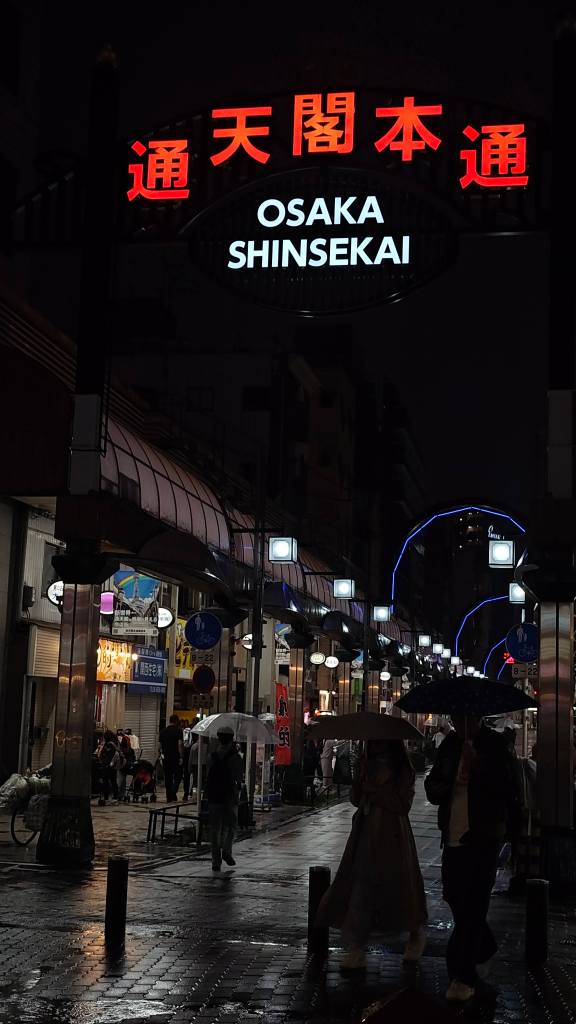
Our last full day in Osaka, we were at Dotonbori, watching the neon signs reflect off the canal, eating takoyaki from a street vendor, soaking in the energy. My eldest, who had been unusually quiet, suddenly looked up at me with tears in her eyes.
“Mummy, I don’t want to go home. I want to stay forever in Japan.”
My first instinct was to laugh it off. Kids say things. But when I looked at her face, I saw she meant it. She was grieving. Grieving leaving a place where she’d felt safe walking streets at night. Where strangers were kind. Where everything worked. Where beauty was everywhere. Where she could be a child without worry.
I knelt down and hugged her, and I realized I felt the same way. Not just me -my husband, even our toddler who kept saying “Japan! Japan!” with joy. All of us. Japan had given us a glimpse of what life could be. And returning to our normal was going to hurt.
That moment crystallized everything. The transformation wasn’t just about seeing beautiful places or having fun experiences. It was about raising our expectations. About understanding that certain things we accept as inevitable – chaos, distrust, poor infrastructure-aren’t inevitable at all. They’re choices. And different choices create different realities.
“When your child wants to stay forever in a foreign country, it’s not about the place. It’s about the version of themselves they became there – freer, safer, more curious, more hopeful.”
The Transformation: What Changed Forever

So what actually changed? How did 14 days in Japan transform me?
My Definition of “Good Enough” Changed
I used to accept mediocrity as normal. Delayed trains, dirty public spaces, dishonest shopkeepers, aggressive sellers – these were just facts of life. Japan showed me they’re not facts; they’re choices. Now I expect better. I advocate for better. I won’t settle for less just because “that’s how it is.”
My Travel Priorities Shifted
Europe was my ultimate dream. It still sounds lovely, but Japan moved to the absolute top. Because I learned that authentic culture, modern infrastructure, natural beauty, and profound kindness can coexist. I don’t have to choose between comfort and authenticity.
My Parenting Changed
Seeing my eldest navigate a foreign country confidently, interact respectfully with people from different cultures, adapt to new situations with curiosity rather than fear—it showed me she’s more capable than I assumed. Even traveling with a toddler in Japan was remarkably stress-free thanks to how child-friendly everything is. I give them both more freedom now. More trust. More opportunities to surprise me.
My Faith in Humanity Restored
Japan proved that people can be inherently good. That societies can function on trust. That strangers can treat strangers with dignity. In our cynical world, Japan was hope made tangible. That experience stays with me, especially on difficult days. I remember: better is possible. I’ve seen it.
✨ Your Transformation Awaits
The transformation I experienced isn’t unique to me. Thousands of travelers return from Japan fundamentally changed-more hopeful, more demanding of excellence, more aware of what’s possible. GoTixi specializes in creating these life-changing Japan experiences, handling every detail so you can focus on the transformation. Start planning your journey
Practical Wisdom for Your Japan Journey

If I’ve convinced you to consider Japan, let me share practical wisdom from our experience:
Book Open Jaw Flights
Flying into Tokyo and out from Osaka (or vice versa) saved us time and money. No backtracking, perfect itinerary flow. Watch for ANA deals—we got ours for ₹36,000 per person, but ₹40,000-50,000 is common and still excellent value.
Stay Near Train Stations
This is non-negotiable. Accommodation near major train stations might cost ₹500-1,000 more per night, but you’ll save that in convenience, time, and avoiding taxi costs. Plus, areas around stations have everything—convenience stores, restaurants, drugstores.
Get IC Cards Instead of JR Pass
Here’s insider knowledge: you don’t necessarily need the expensive JR Rail Pass. IC cards like ICOCA, Suica, or Pasmo work on almost all trains, subways, and buses across Japan—including routes where JR Pass doesn’t apply (which happens frequently when switching between different railway companies). They’re rechargeable, convenient, and you only pay for what you actually use. GoTixi can calculate whether JR Pass or IC cards save you more based on your specific itinerary.
Embrace Convenience Stores
7-Eleven, Family Mart, and Lawson are your best friends. Fresh food, clean bathrooms, ATMs, hot coffee, snacks for trains—everything you need. We saved thousands eating convenience store breakfasts instead of hotel buffets, and honestly enjoyed it more.
Consider Your Kids’ Ages for Activities
With young children especially a toddler – we had to be selective about our activities. We skipped nightlife and party areas entirely (that’s a return trip for us as a couple once the kids are older!). But Japan is incredibly family-friendly: clean facilities, helpful people, stroller accessibility in most places, and children are welcomed everywhere. Plan realistically based on your kids’ ages and needs.
Carry Cash -It’s Still King in Japan
This is crucial: Japan is still very much a cash-based society. While cards work in major stores and hotels, many restaurants, small shops, temples, and local businesses only accept cash. We withdrew regularly from convenience store ATMs (7-Eleven ATMs are reliable and have reasonable fees). Always have at least ¥10,000-20,000 in cash on hand.
💡 Money-Saving Tips That Actually Work
- Eat lunch sets: Restaurants offer incredible lunch deals (¥800-1200) for same food that’s ¥2000+ at dinner
- Buy bento boxes: Department store basements and stations have stunning bento boxes for ¥500-1000
- Use discount coupons: Tourist information centers have coupon books with real savings
- Shop tax-free: Bring your passport when shopping; many stores offer tax-free purchases for tourists
- Visit free attractions: Temples, parks, neighborhoods, shrines—many best experiences cost nothing
- Use IC cards smartly: More flexible than JR Pass and often cheaper for your actual route
- Stay 2 nights at Mt. Fuji: Day trips are rushed; staying overnight lets you truly absorb the experience
- Allocate more nights to Tokyo: 5 nights feels short; 6-7 is ideal
Why GoTixi Should Plan Your Japan Trip
I planned our Japan trip myself, spending months researching, comparing, and organizing. It was rewarding but exhausting. Looking back, I realize how much easier it would have been with expert help.
GoTixi Knows the Insider Secrets
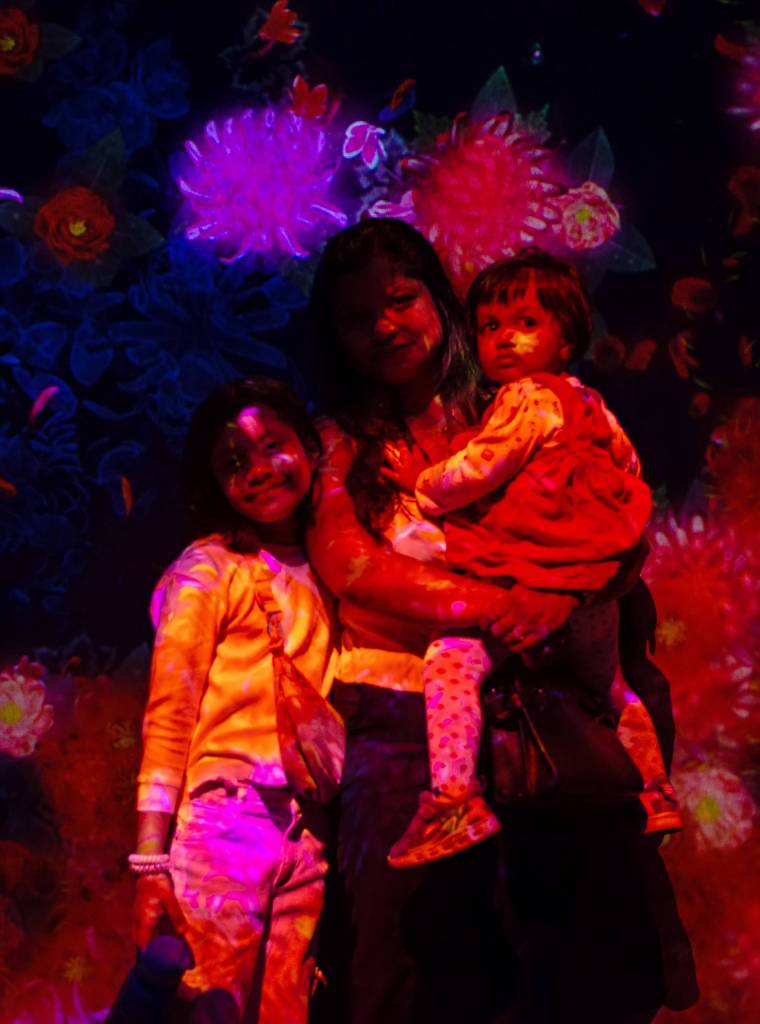
Things I learned the hard way—like which train station exits lead to hotel sides, or when to book teamLab Borderless, or which days to avoid certain temples – GoTixi knows instinctively. Their Japan specialists have planned hundreds of trips and know every efficient shortcut.
They Handle the Stressful Parts
Hotel bookings near stations, restaurant reservations, JR Pass purchase coordination, visa documentation (if needed), travel insurance—all the administrative stress that can overwhelm first-timers. GoTixi manages it all, letting you focus on excitement rather than anxiety.
They Optimize Transport Strategy
JR Pass or IC cards? Shinkansen or regular trains? Which routes make sense? GoTixi calculates the most cost-effective transport solution for your specific itinerary. Sometimes it’s JR Pass, often it’s IC cards—they optimize based on your actual travel needs, potentially saving you thousands.
They Create Efficient Itineraries
Our itinerary was good, but in hindsight, we needed more nights in Tokyo and could have optimized some routes better. GoTixi’s itineraries are perfected through hundreds of Japan trips—right amount of time per city, logical flow, perfect balance of activities and rest, realistic for families with children. They’ve refined the formula through experience.
They Provide During-Trip Support
When you’re navigating a foreign country, having 24/7 WhatsApp support from experts who know Japan makes a huge difference. Questions about train connections, restaurant recommendations, emergency help—GoTixi travelers have that safety net.
🎌 GoTixi’s Japan Expertise
GoTixi specializes in creating transformative Japan experiences for families and first-time travelers. From budget-conscious families to luxury seekers, they customize itineraries that match your dreams, timeline, and budget. Their Japan packages include flights, visa guidance (₹1,250 per person at Gurgaon center), accommodation, IC card/transport strategy, detailed daily itineraries, and comprehensive 24/7 support.
Addressing Your Concerns About Japang

I know you have concerns. I had them too. Let me address them honestly, friend to friend:
“But I Don’t Speak Japanese…”
Neither did we. Not a word beyond “arigato.” It didn’t matter. Signs have English. People help. Apps translate. The Japanese are so patient and kind with foreigners that communication becomes an adventure rather than an obstacle. My eldest was ordering food and buying train tickets by day four, and we managed perfectly fine with a toddler too.
“What About Vegetarian Food?”
This was a concern for us too. Reality? Japan has amazing vegetarian options once you know where to look. Convenience stores have vegetable onigiri, salads, and fruits. Restaurants offer vegetable tempura, tofu dishes, and vegetable ramen. Buddhist temple restaurants (shojin ryori) are completely vegetarian. We ate incredibly well.
“Is It Really Safe for Kids?”
Japan is probably the safest country I’ve traveled with children. My eldest could navigate certain routes independently by the end. We walked with our toddler’s stroller late at night without concern. The peace of mind alone was worth the trip. Japan is extraordinarily family-friendly and safe.
“What If Something Goes Wrong?”
Things did go “wrong”—we missed trains, got lost, forgot items. But here’s the thing: in Japan, even when things go wrong, they go right. Miss your train? Next one comes in 10 minutes. Get lost? Someone helps immediately. Forget something? Lost and found systems actually work. Japan’s infrastructure and culture turn potential disasters into minor inconveniences.
Still have concerns about Japan? Chat with GoTixi Japan Experts
The Question You Should Be Asking
If you’re still reading, you’re probably wondering if Japan is right for you. But that’s the wrong question.
The right question is: “Am I ready to be transformed?”
Because that’s what Japan does. It doesn’t just show you beautiful temples and efficient trains. It shows you what’s possible. What humans can achieve when they prioritize excellence, kindness, and collective wellbeing. It raises your standards permanently.
Some people go to Japan for the cherry blossoms or the anime culture or the sushi. Those things are wonderful. But the real gift—the one that keeps giving—is the shift in perspective. The understanding that better is possible. That you deserve better. That your children deserve to see what a healthy, functional, beautiful society looks like.
My Europe dreams haven’t died. I still want to see Paris and Rome and Barcelona. But Japan moved to the top because it gave me something Europe couldn’t: hope. Tangible, witnessed, experienced hope for what humanity can be.
💫 My Final Truth
“I went to Japan expecting a vacation. I got a revelation. I went to broaden my children’s horizons. They broadened mine. I went to see a different country. I came back a different person. And the most beautiful part? I want to go again. And again. And again. Because once you’ve seen what’s possible, you can never unsee it. And you spend the rest of your life chasing that feeling of being in a place that just works.”
Your Turn: When Will You Go?
So here we are at the end of my story, which is really just the beginning. Because now you know. You know Japan isn’t just another travel destination. You know the “expensive” myth is false. You know the language barrier is manageable. You know transformation awaits.
The question is no longer “should I go to Japan?” It’s “when will I go?”
Don’t wait for perfect timing – it doesn’t exist. Don’t wait until your kids are older, or you speak Japanese, or you’ve saved more money. We weren’t perfectly prepared. We just went. And it changed everything.
My 8-year-old wanted to stay forever in Japan. I can’t give her that. But I can give her another trip. And another. Because once you’ve shown your children what the world can be, you have a responsibility to keep showing them. To keep raising their standards. To keep expanding their understanding of what’s possible.
And that responsibility starts with a single decision: booking that flight to Japan.
🌸 Start Your Japan Transformation Story
Let GoTixi create your personalized Japan journey. From budget planning to daily itineraries, from hotel bookings to 24/7 support – we handle everything so you can focus on the experience that will change you forever.
Plan My Japan Trip Talk to Japan Expert
Frequently Asked Questions About Japan Travel
What’s the best time to visit Japan?
Cherry blossom season (late March-April) and autumn foliage (November) are magical but crowded and expensive. We went in October – pleasant weather, fewer crowds, better hotel rates. May-June and September-October offer excellent experiences without peak season premiums.
How many days do I need for Japan?
Minimum 10 days to experience Tokyo, Kyoto, and one more city comfortably. Our 14 days felt perfect – enough time to settle into each place without rushing, though we wish we’d allocated 6-7 nights to Tokyo instead of 5. Two weeks gives you the transformative experience rather than just a sightseeing sprint. With young kids, don’t pack the schedule too tight.
Is Japan good for traveling with toddlers?
Absolutely! We traveled with a 1.5-year-old and found Japan incredibly toddler-friendly. Clean facilities everywhere, helpful locals, stroller accessibility, safe streets, convenience stores with baby supplies and simple foods, and family-friendly culture. It’s one of the easiest countries for traveling with very young children.
Do I really need to visit Japan as a couple separately?
If you want to experience Japan’s nightlife and party scene, yes—it’s difficult with young kids. We made a pact to return as a couple once our children are older to explore that side of Japan. But family-friendly Japan is absolutely worth experiencing first. You’re not missing the essence; you’re experiencing a different, equally beautiful dimension of it.
Can I travel Japan on a tight budget?
Yes! Stay in business hotels near stations, eat from convenience stores and local restaurants, use IC cards efficiently, focus on free attractions, carry cash to avoid ATM fees—you can do Japan for ₹1-1.5 lakhs per person for 10-14 days including flights and visa. GoTixi specializes in budget-optimized Japan itineraries that maximize value without compromising experience.
Do I need travel insurance for Japan?
Yes, definitely. Medical care in Japan is excellent but expensive for foreigners without insurance. We had comprehensive coverage through our travel insurance—essential peace of mind.
Connect with GoTixi for Your Japan Journey
🌐 Official Website 📸 Instagram @GoTixi 💬 WhatsApp Support
A Letter to Future Japan Travelers
If you’re reading this and feeling that familiar pull – that mix of excitement and fear, desire and doubt – I want you to know something important:
You’re ready. Even if you don’t think you are. Even if you’ve never traveled internationally. Even if you’re anxious about language or money or logistics. You’re ready.
Because transformation doesn’t require readiness. It requires courage. And the fact that you’ve read this far, that you’re still considering it, that you’re imagining yourself in Tokyo or Kyoto or standing before Mt. Fuji – that’s courage already blooming.
Japan is waiting. Not just as a country, but as a gift. A gift of perspective, hope, and possibility. A gift that will change how you see the world and your place in it.
My eldest wanted to stay forever. I brought her home, but I brought Japan home too. In our standards, our expectations, our understanding of what’s possible. In the stories we tell, the memories we cherish, the dreams we now dare to dream.
That’s what Japan does. It comes home with you. In the best possible way.
“One trip to Japan didn’t just change me. It changed my family. It changed our future. It changed what we believe is possible. And it’s waiting to do the same for you.”
See you in Japan. 🇯🇵
Your transformation story starts with a single conversation. Let GoTixi turn your Japan dreams into your Japan reality.
Ready to begin?

